13th February 2026
The changing fortunes of Micklegate House
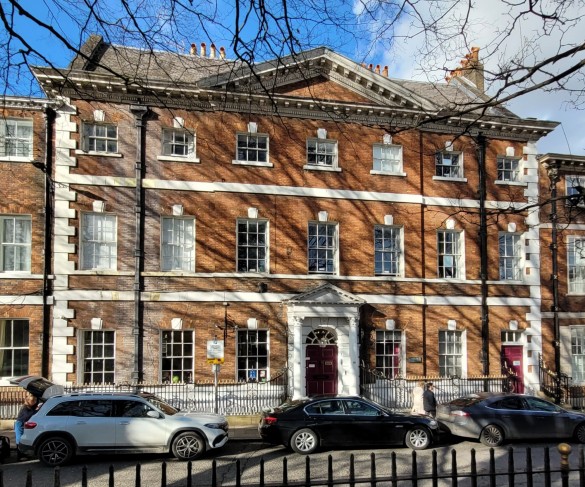
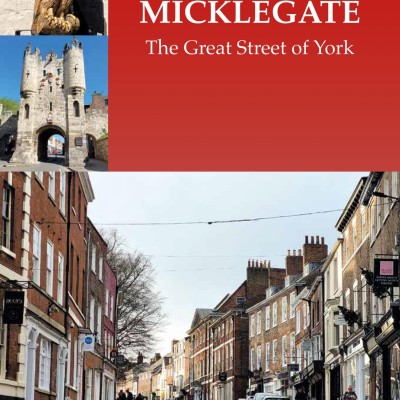
Our latest book, about Micklegate, features a number of outstanding buildings and their inevitable change of use over the years. The most impressive of these is Micklegate House, opposite Holy Trinity Church, with a very surprising turn.
It’s an imposing three storey Grade 1 Georgian house, built around 1752 for John Bourchier of Beningborough Hall, as his town house. His ancestor Sir John Bourchier was one of the signatories to the warrant for the execution of King Charles I.
The house is said to have been designed by John Carr of York, and was the most important Georgian residence south west of the Ouse. It became the setting for some grandiose events. These included in 1827 a ball for 200 guests, starting surprisingly late at 10 pm, with supper served at 1 am, followed by more dancing until 3 am.
From 1811 it had passed to the Crompton family, who lived there for almost a century. The Crompton daughters were friends of the lesbian diarist Anne Lister, and featured in her diaries in the 1820s, when Henrietta and Margaret were in their 20s. Anne describes an intriguing picture of them on their trips to York races together. She refers to them as not genteel enough or elegant for her, too provincial and at times vulgar, and that Henrietta talked incessantly. However newspaper accounts later paint a much more serious picture of the unmarried daughters, who all lived into their 70s and 80s. The Misses Crompton, as they were often referred to, were great philanthropists, supporting many good causes.
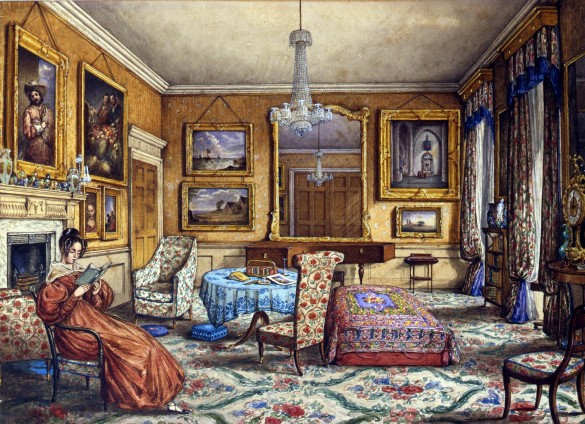 'Miss Crompton's Room' at Micklegate House, by Mary Ellen Best (York Museums Trust, York Art Gallery)
In York Art Gallery there is a painting of a room in this house, ‘Miss Crompton’s Room’, painted by York artist Mary Ellen Best, a visitor there in the 1830s. Henrietta Crompton had a deep interest in art, she drew and painted herself, using journeys around family estates in Yorkshire to practise her landscapes. When she died in 1881 there was a very general closing of places of business reported at noon around Micklegate, the great bell of York Minster was tolled during the funeral and a large crowd assembled, to witness the cortege.
After the death of the Crompton sisters, the fortunes of the house changed drastically. By 1897 Raimes & Co. wholesale druggists, manufacturing chemists and patent medicine vendors (who had a shop at the bottom of the hill) had bought this building, where they remained until 1961.
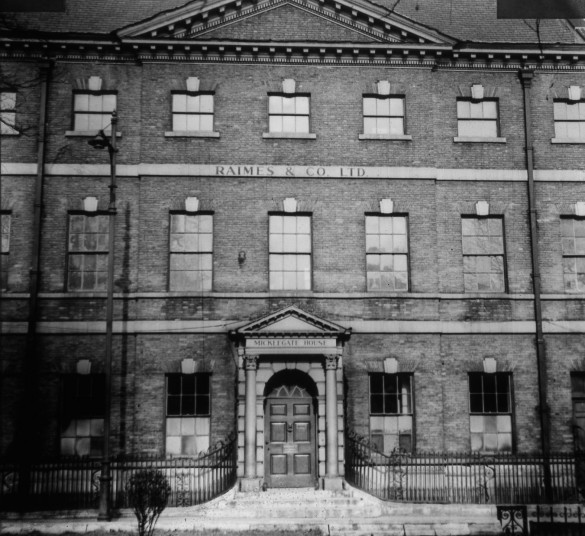 Previously the house had had a large rear garden extending through to Toft Green, but the new owners built a chemical works and a factory works here. The chemical works was based in the former coach house on the rear boundary and the factory was attached to the rear of Micklegate House. They were very proud of this, as it featured prominently on their invoices. People remember a pungent smell of chemicals on passing here.
Micklegate House with the Raimes sign, ca 1920 (Yorkshire Architectural and York Archaeological Society (YAYAS) Photographic Collections)
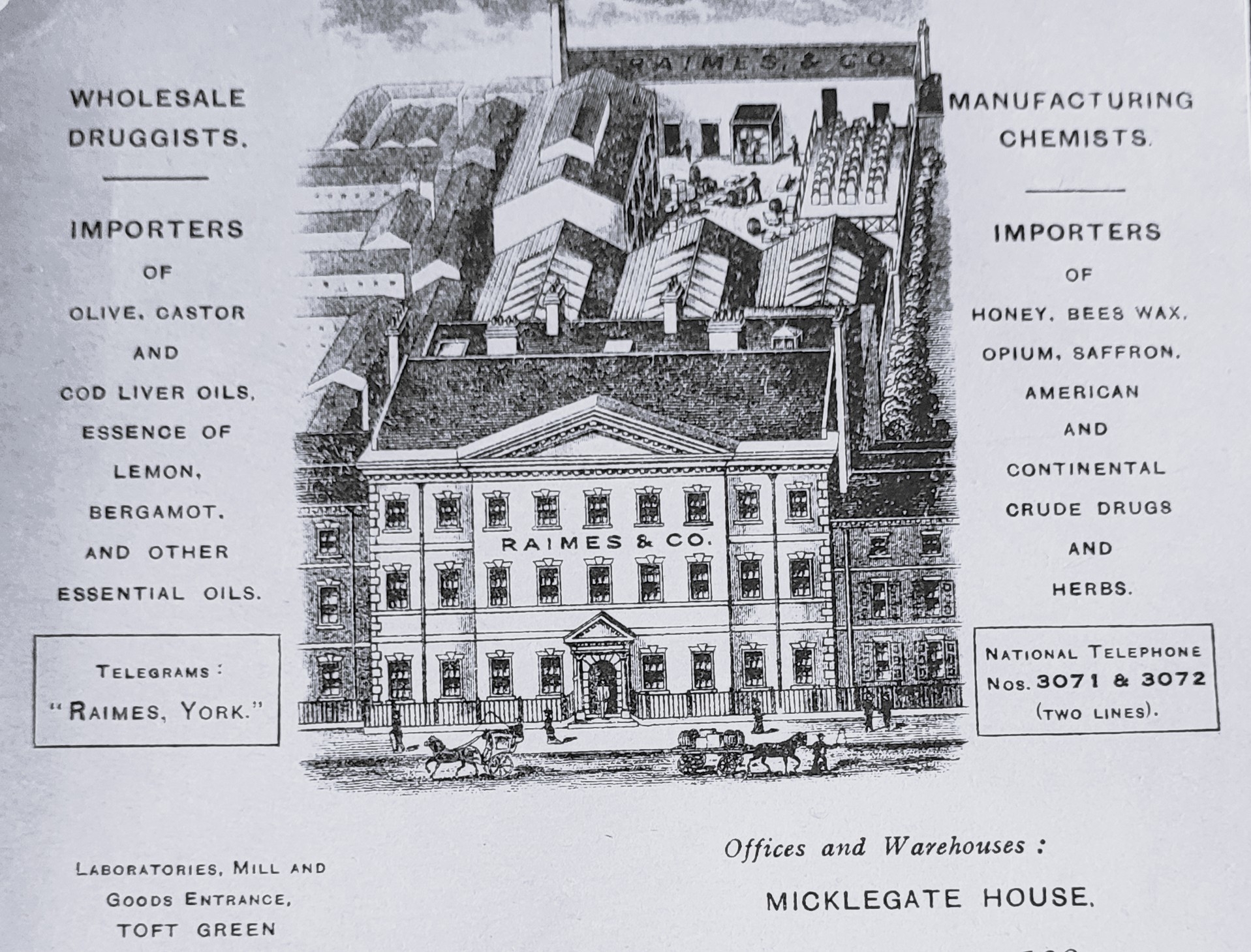
Section of invoice from Raimes & Co. ca 1925 (Chris Pearson)
Peter Stanhope remembered “the wonderful rooms in the house used as storerooms, packed with boxes of patent medicines, and the beautiful staircase was stacked up with great sacks of raw Senna Pods.”
After the sale of the house about 1961 to the University of York, Raimes continued to occupy the industrial buildings but with an entrance and address on Toft Green. The land to the rear of Micklegate House went into separate ownership and was, for some time, in use as Fibbers nightclub.
You might not know that the University’s first library was started in Micklegate House and remained here until the campus at Heslington was ready. The building housed their Departments of Mathematics and Archaeology. It was also the base for the small team working on the notable Esher Report, into the future of town planning in York, published in 1968.
John Shaw Chairman of the Yorkshire Architectural and York Archaeological Society (YAYAS) recently provided us with some intriguing images. You might be interested to know that a very young John appears here in the front row of Holy Trinity choir, outside Micklegate House in 1970.
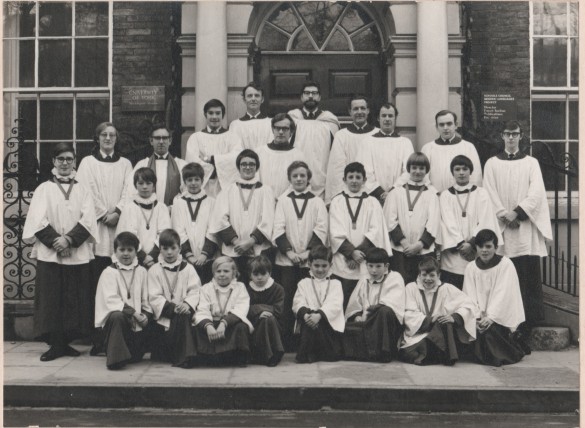
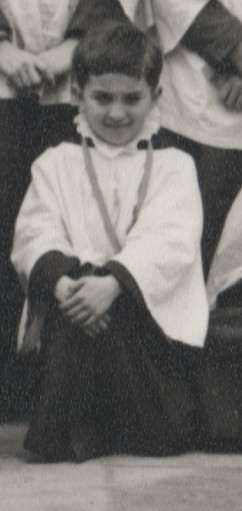
Holy Trinity Choir outside Micklegate House in 1970, with a very young John Shaw in the middle of the front row. (Yorkshire Architectural and York Archaeological Society (YAYAS) Photographic Collections)
About 1998 Micklegate House changed again, this time to a series of budget accommodations, the Backpackers Hostel, the Ace Hotel and its current occupiers, Safestay Hostel.
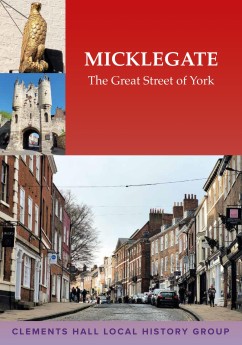 To find out more, our book ‘Micklegate: the Great Street of York’, is on sale price £15, at Waterstones in Coney St and at Monks Cross, Explore York Library, the Amnesty Bookshop on Micklegate, and Pextons Hardware and Frankie and Johnny’s Cookshop on Bishy Road.
For mail order please email us on clemhallhistory@gmail.com